
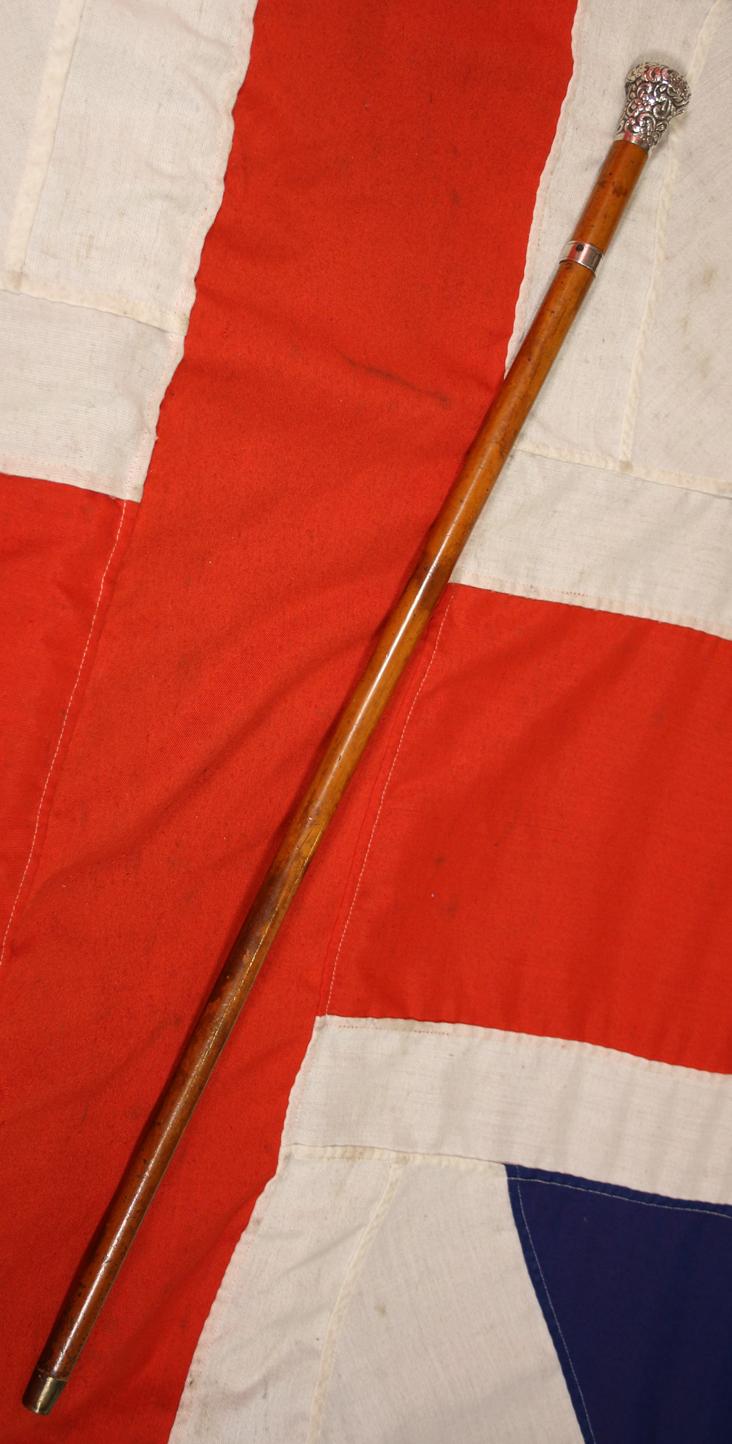
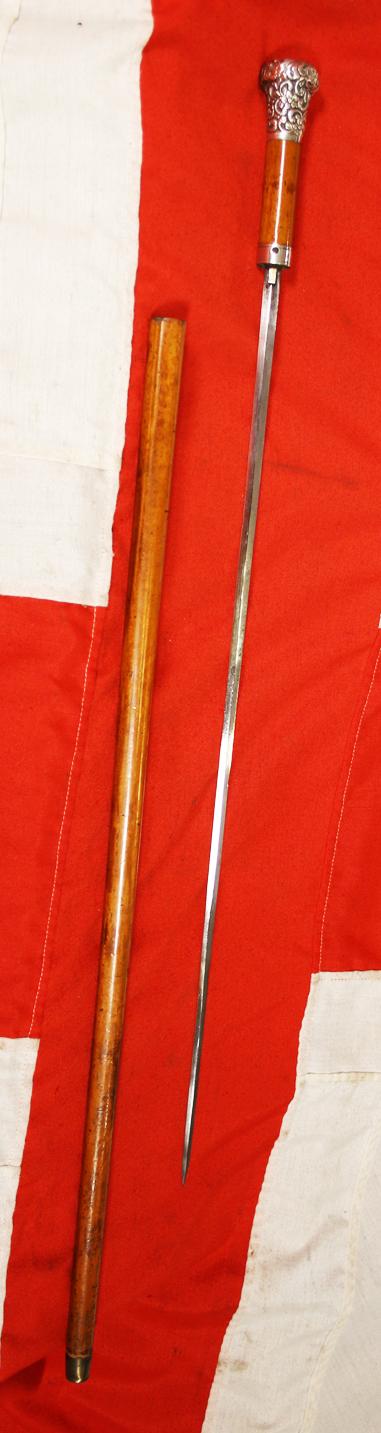
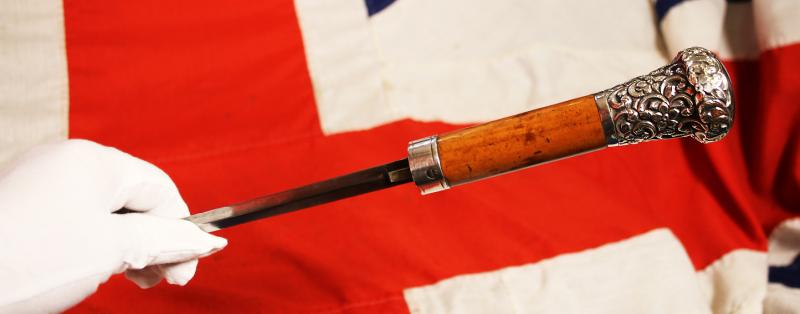
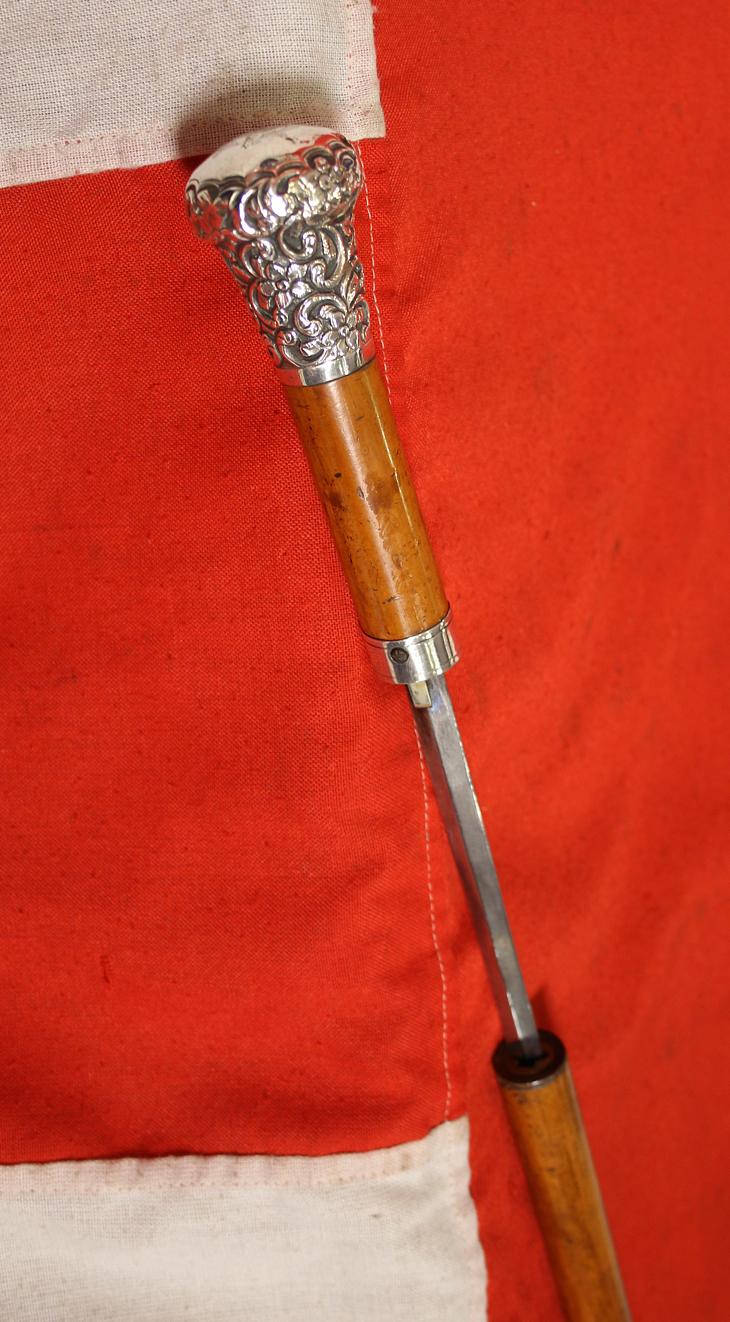
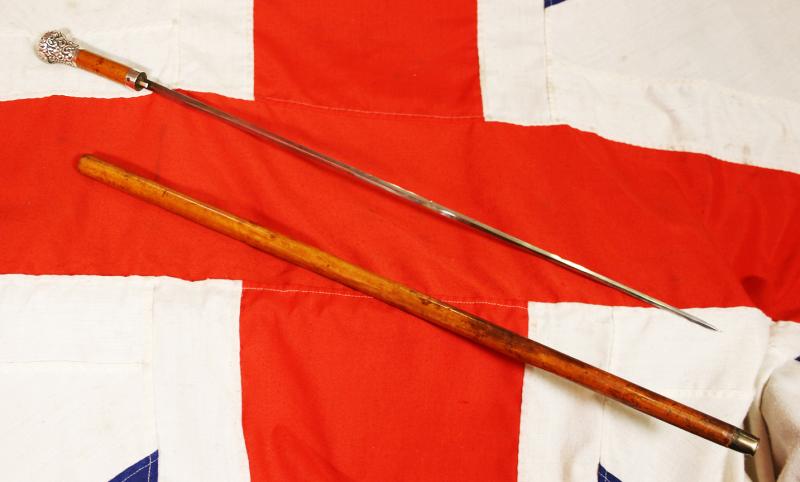
A Very Fine, 'Jack The Ripper' Period, Victorian, 1886, Hallmarked Silver Topped Sword Cane. With Mallaca Cane. Long Double Edged Broadsword Blade. A Perfect Christmas Gift for One That Has Everything
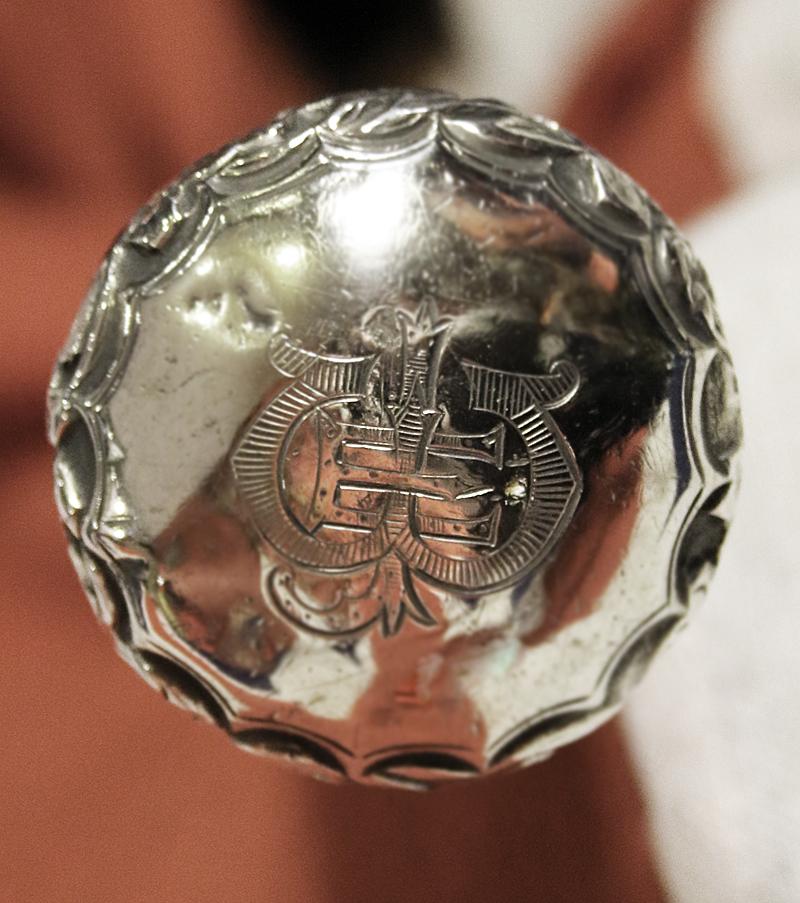
Bespoke made and commissioned for the personal protection for a gentleman of quality, throughout the City, and all of London, during the era of Jack the Ripper. The top of the silver is monogrammed W.J.E
The "Jack the Ripper" period centered on London’s East End—primarily Whitechapel—during late summer and autumn 1888, with related Whitechapel murders spanning 1888 to 1891.
The murders—especially the "Autumn of Terror" in late 1888—left East End residents on edge, with rumours spreading rapidly and people viewing strangers with fear and suspicion.
Sensational reporting, threatening letters, and rumours (such as claims the killer carried a black bag or might move to other districts) sparked unrest and protests, including demonstrations outside Leman Street police station. Housing and economic pressures alongside an influx of Eastern European Jewish refugees in Whitechapel and Spitalfields fueled baseless antisemitic suspicions.
Both the Metropolitan Police (under Sir Charles Warren) and the City Police drafted plain-clothes officers and detectives into Whitechapel, expanded patrols in parks and other London districts, and watched or followed suspicious individuals. It became the period to encourage gentlemen to take up arms with revolvers and sword canes, for nothing else but peace of mind.Citizen efforts like the Whitechapel Vigilance Committee emerged during the crisis, and later scares—such as October 1890—prompted renewed police reorganizations and rumors of extra street measures.
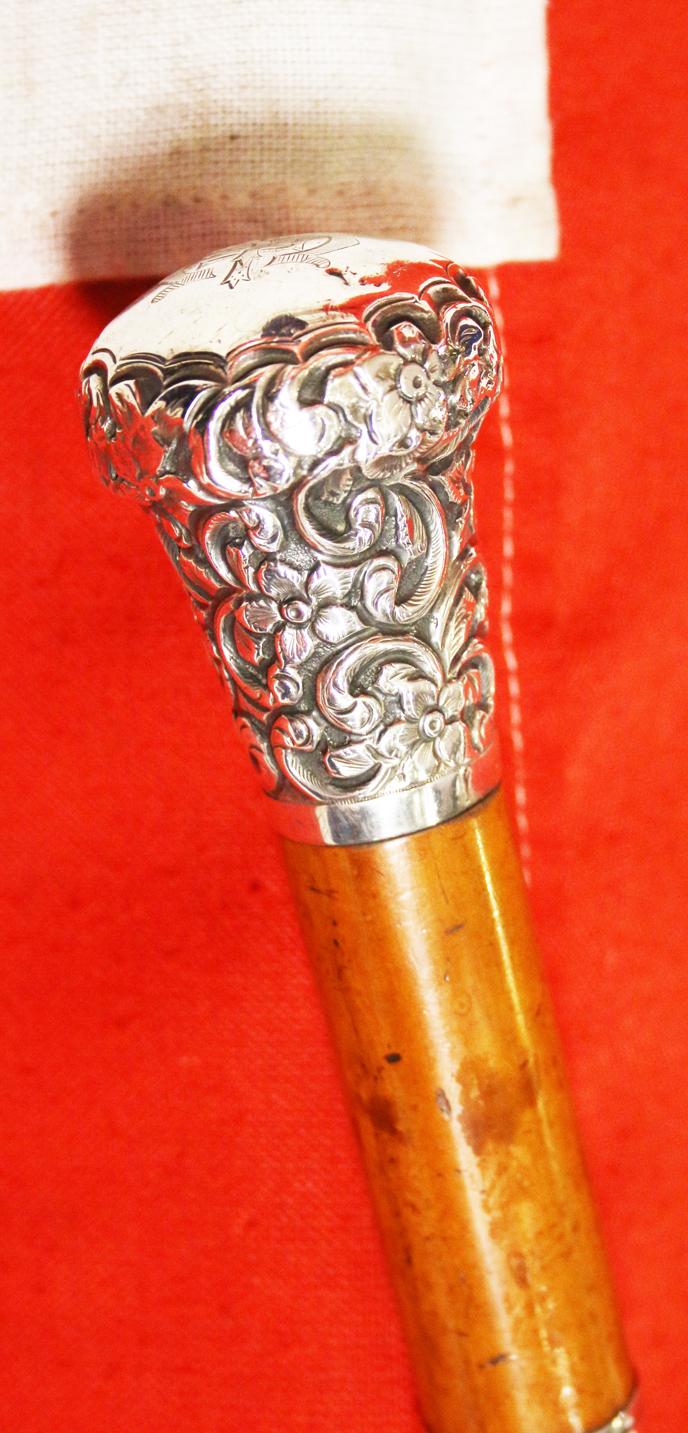
The top is silver, finely engraved and a repousse botanical theme. With a snug friction button release, the blade is thus extracted by means of the drawing the hidden sword from the Malacca haft.
Malacca wood is taken from one species of rattan palm native to the coast of Sumatra. With long, slender stems it was considered perfect for making walking sticks and canes. It is very lightweight and strong with a satin-like bark that has a natural gloss. The colour varies from blond through reddish amber to brown. The blade is of two stage form of double edged form, bright polished sharp edges and tip, of great strength and substance.
This is a cane intended for close quarter and hand to hand action. The sword stick or cane was in its day ideal for defensive action, but the sword cane was often usually intended for both offensive or defensive, ideal for use in a crowd or a hand to hand conflict in most confined quarters of any bustling city.
As an original antique collectable it is simply awesome. A startling and most collectable conversation piece, worthy of the legendary Sherlock Holmes himself, in fact, more likely a tool of the diabolical genius, and arch nemeses of Holmes, Professor Moriarty . One can only imagine what perils and heinous adversities that it's original owner, who had this awesome cane commissioned, must have feared, dreaded or even instigated. The name Bartitsu might well have been completely forgotten if not for a chance mention by Sir Arthur Conan Doyle in one of his Sherlock Holmes mystery stories. In the Adventure of the Empty House (1903), Holmes explained that he had escaped the clutches of his enemy Professor Moriarty through his knowledge of bartitsu, or Japanese wrestling. Using a walking cane with or without hidden blade.
The swordstick was a popular fashion accessory for the wealthy during the 18th and 19th centuries. While the weapon's origins are unknown, it is apparent that the cane-sword's popularity peaked when decorative swords were steadily being replaced by canes as a result of the rising popularity of firearms, and the lessening influence of swords and other small arms.
The first sword canes were made for nobility by leading sword cutlers. Sixteenth century sword canes were often bequeathed in wills. Sword canes became more popular as the streets became less safe. Society dictated it mandatory that gentlemen of the 18th and especially 19th centuries would wear a cane when out and about, and it was common for the well-dressed gentleman to own and sport canes in a variety of styles, including a good and sound sword cane. Although Byron was proficient in the use of pistols, his lameness and his need to defend himself in some potentially dangerous situations made a swordstick doubly useful to him. He received lessons in London from the fencing master Henry Angelo and owned a number of swordsticks, some of which were supplied by his boxing instructor Gentleman John Jackson.
Sword sticks came in all qualities, and for numerous purposes, from the simplest bamboo sword cane personal defender to stout customs officer’s ‘prod’, to offensive close quarter stiletto dagger canes and even to the other side of the world in the form of Japanese samurai’s shikome-sue, hidden swords.
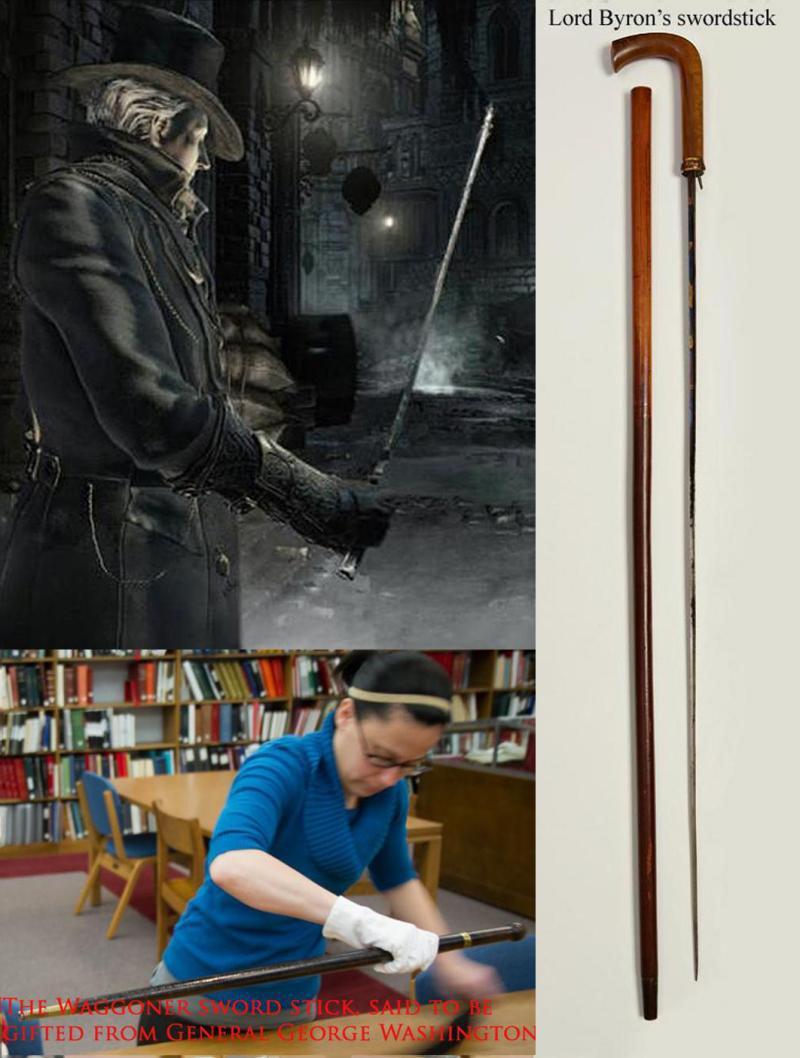
We show two famous sword sticks in the gallery, one that belonged to Lord Byron, and another in a Presidential Centre Library collection, a historic sword stick is part of the Rutherford B. Hayes Presidential Centre Library collection in Fremont, Ohio from the Waggoner family, the sword-cane was said to have been presented to Mr Waggoner by General George Washington in honour of Waggoner's service in Washington's Life Guard during the American Revolutionary War
34.7 inches long overall 27.5 inches long blade. The silver top and cane has the usual light age wear marks, and light denting. An original antique collectable for display purposes only
Just returned from two weeks professional silversmith conservation, polishing and artisan attention to return the silver to its near original condition after decades of use in London.
Code: 26448
1175.00 GBP