
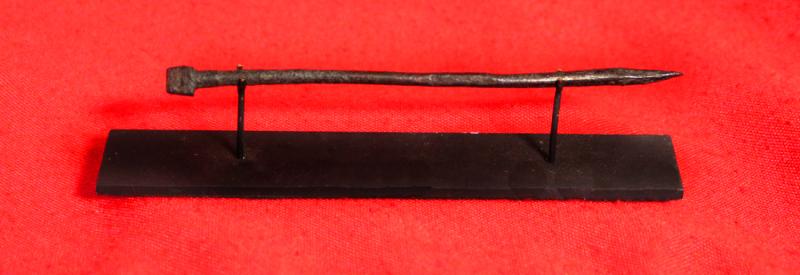
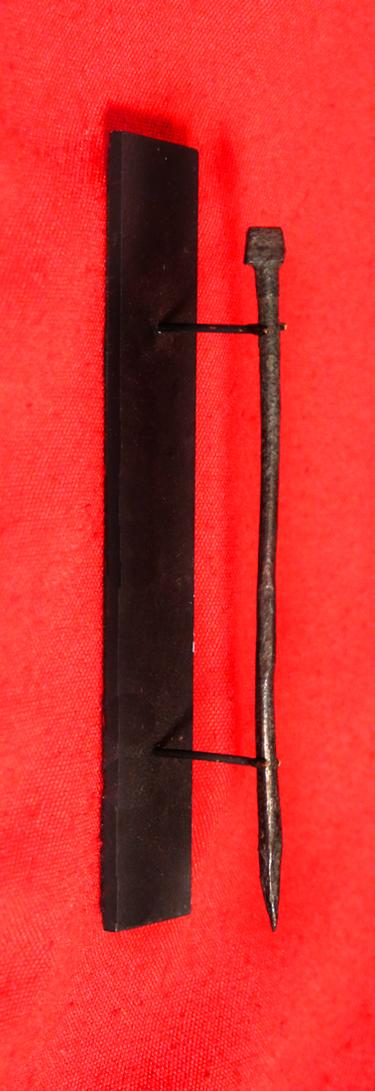
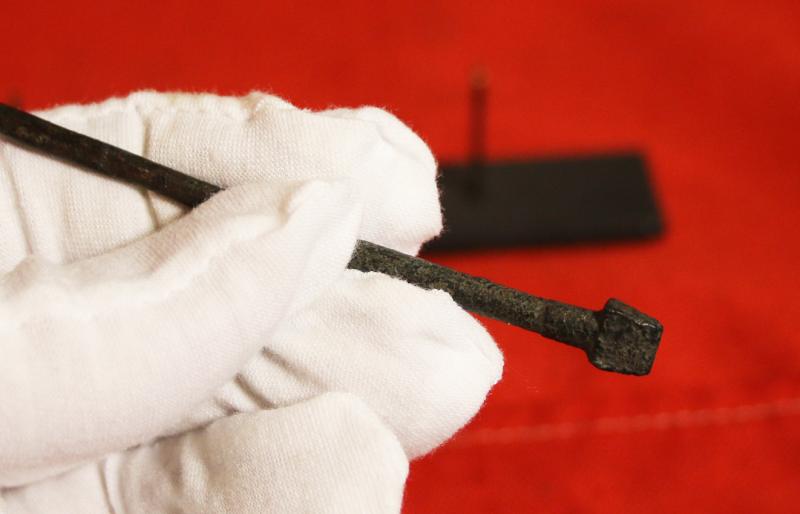
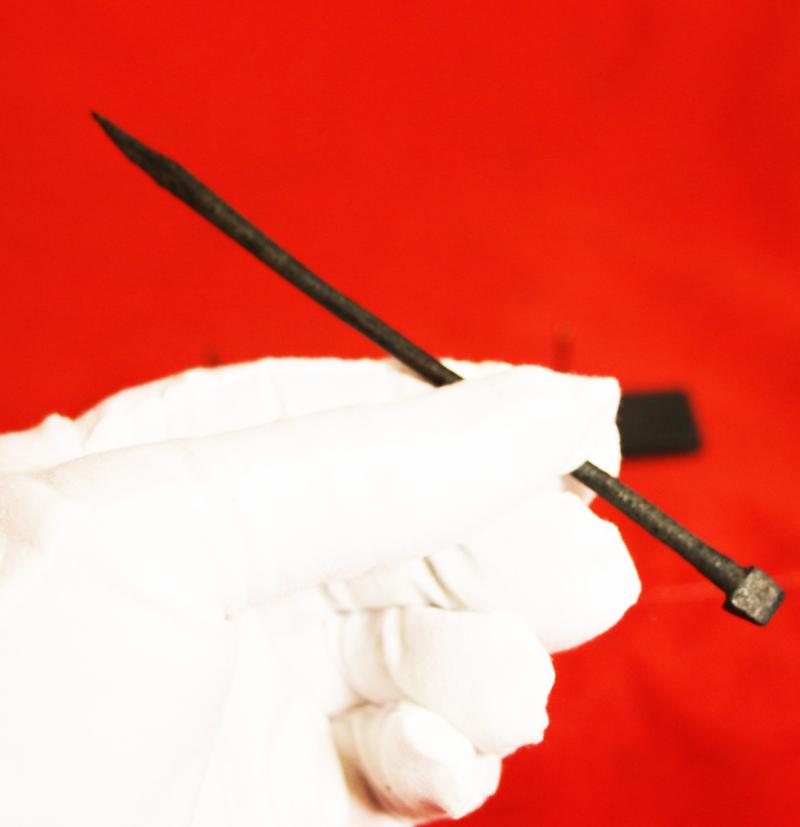
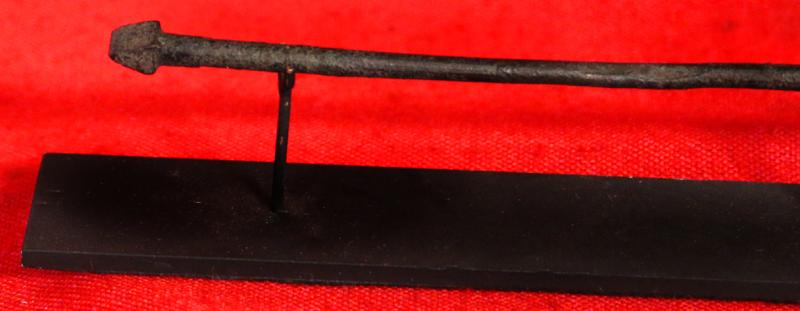
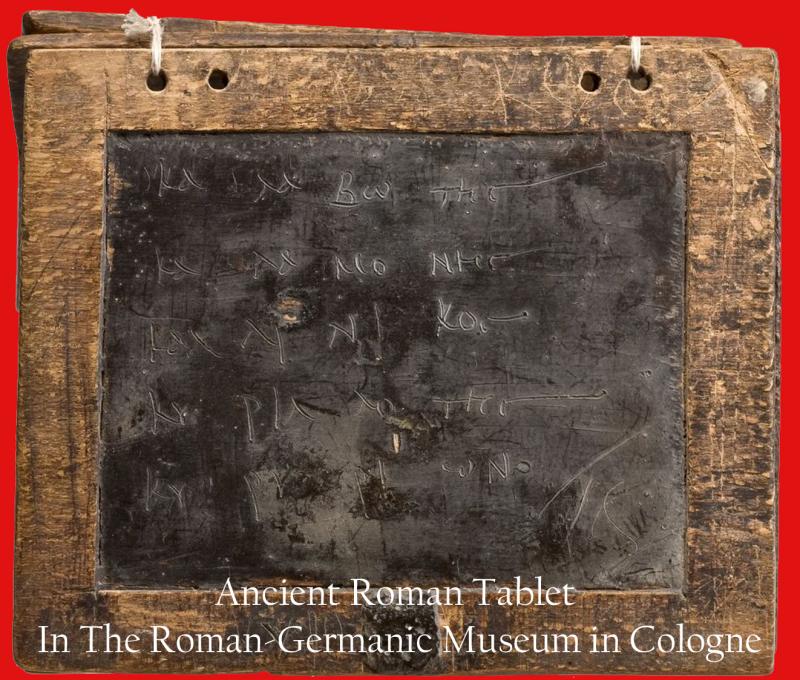
An Original, Ancient Roman Iron Stylus, Around 1900 Years Old. The Stylus An Ancient Form Of Writing and Erasing Pen Used By An Ancient Roman Scribe or Soldier To Inscribe Notes, Lists Or Details Upon A Wax tablet
It is thought that Roman wax tablets were filled with clean wax using a spatula, often with a handle in the form of a bust of Minerva; these spatulas are found in writing sets in graves, and in pictures of writing equipment, e.g. from Pompeii
A wax tablet is a tablet made of wood and covered with a layer of wax, often linked loosely to a cover tablet, as a "double-leaved" diptych. It was used as a reusable and portable writing surface in antiquity and throughout the Middle Ages. Cicero's letters make passing reference to the use of cerae, and some examples of wax-tablets have been preserved in waterlogged deposits in the Roman fort at Vindolanda on Hadrian's Wall. Medieval wax tablet books are on display in several European museums.
Writing Side (Pointed Tip): The sharp, pointed end—typically made of iron, bronze, bone, or ivory—was used to scratch letters, numbers, and symbols directly into the soft wax layer. Pressing down revealed the contrasting wood underneath or left a deep indented line
Erasing Side (Flat Spatula): The opposite end featured a flat, circular, or blade-like spatula. The writer flipped the tool over to rub, flatten, or smooth the wax back out over mistakes, effectively acting as an ancient "undo" button or eraser
Styli and tablets were used for short-term notes and ephemeral, erasable texts. More permanent writings were committed to books or rolls of parchment (sheepskin) or vellum (calfskin) or, later, paper, using ink and quills or metal pens.
Merchants recorded transactions, clerks took dictation or shorthand, soldiers wrote messages, and officials drafted temporary records
Multiple tablets were often bound together with string or leather straps into "diptychs" (two leaves) or "polyptychs" (multiple leaves), making them easy to fold shut and carry
Styluses were first used by the ancient Mesopotamians in order to write in cuneiform. They were mostly made of reeds and had a slightly curved trapezoidal section.
Egyptians (Middle Kingdom) and the Minoans of Crete made styluses in various materials: reeds that grew on the sides of the Tigris and Euphrates rivers and in marshes and down to Egypt where the Egyptians used styluses from sliced reeds with sharp points; bone and metal styluses were also used. Cuneiform was entirely based on the "wedge-shaped" mark that the end of a cut reed made when pushed into a clay tablet; from Latin cuneus 'wedge'.
The linear writings of Crete in the first half of the second millennium BC which were made on clay tablets that were left to dry in the sun until they became "leather-hard" before being incised by the stylus. The linear nature of the writing was also dictated by the use of the stylus.
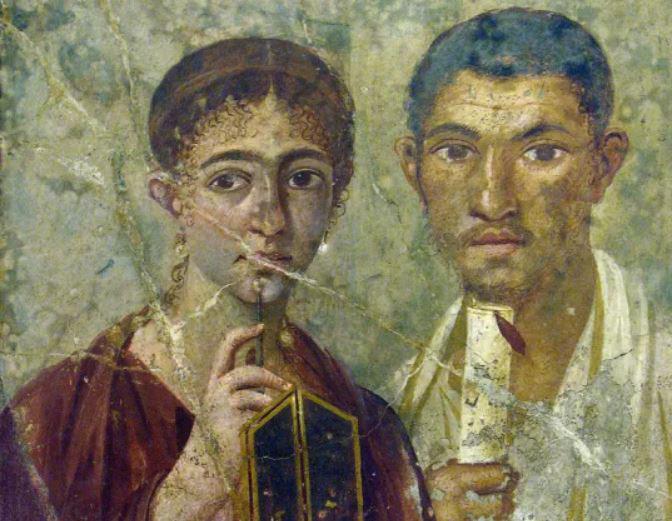
The woman in the painted mural in the gallery is using the same Roman stylus (from a recovered mural from Pompeii) .
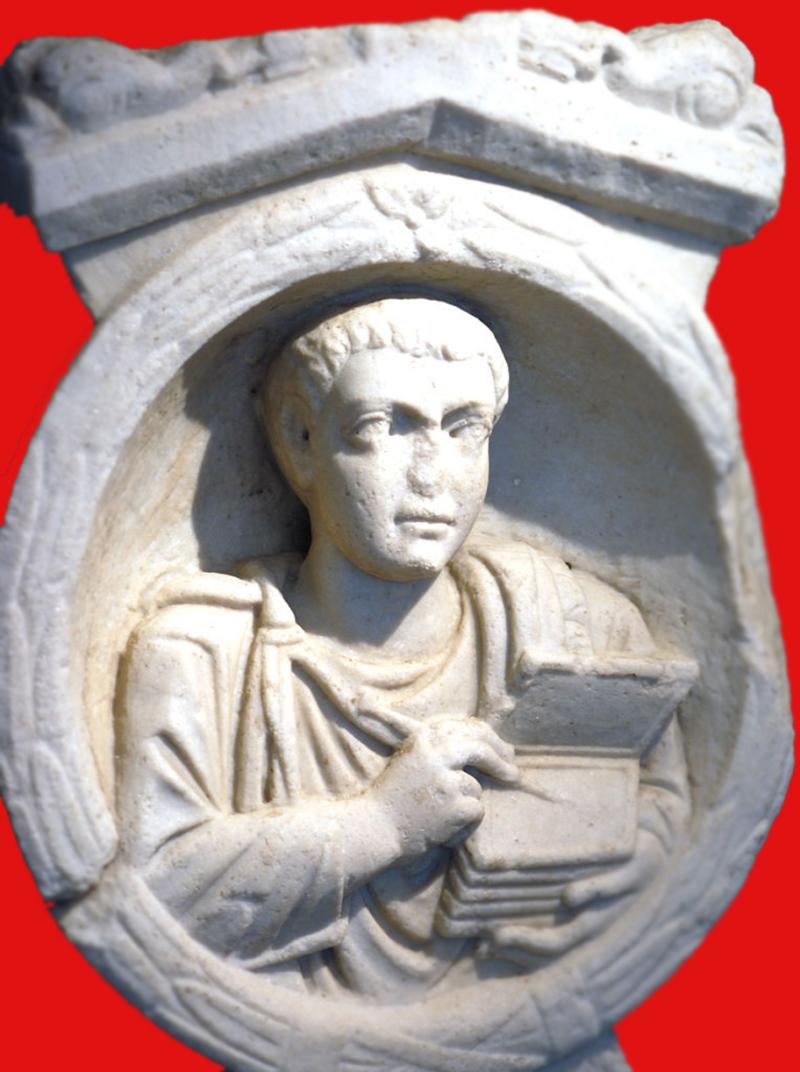
Another photo in the gallery is a carved marble panel of of likely a centurion wearing his toga and using his stylus and wax tablet
The wax slate photograph is from the Roman-Germanic Museum in Cologne
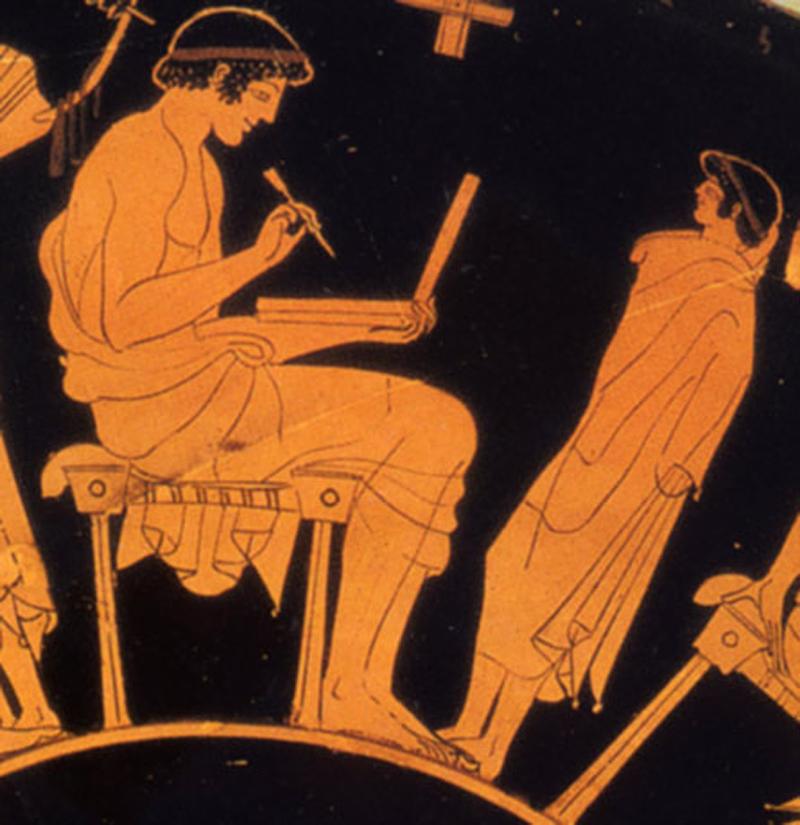
There is also a photo of an ancient Greek ceramic painting of a scribe using the stylus and tablet
Set upon a wooden display stand. Stylus 4 3/4 inches
Code: 26421
195.00 GBP