
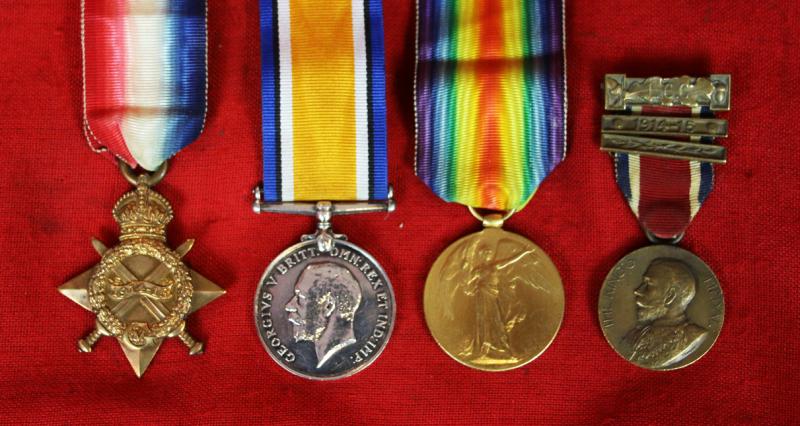
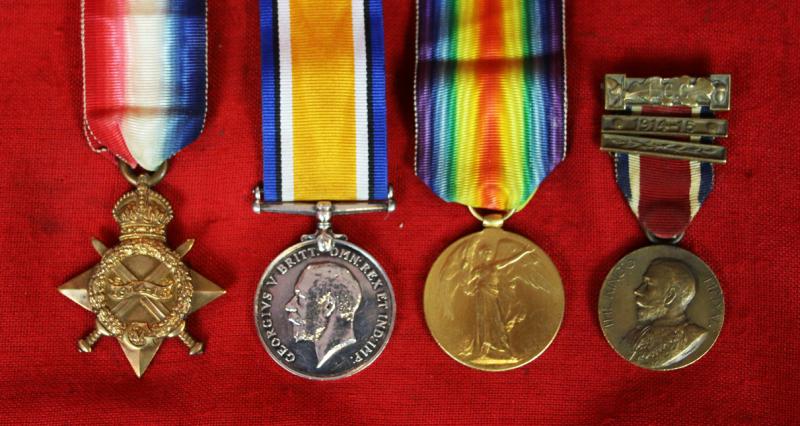
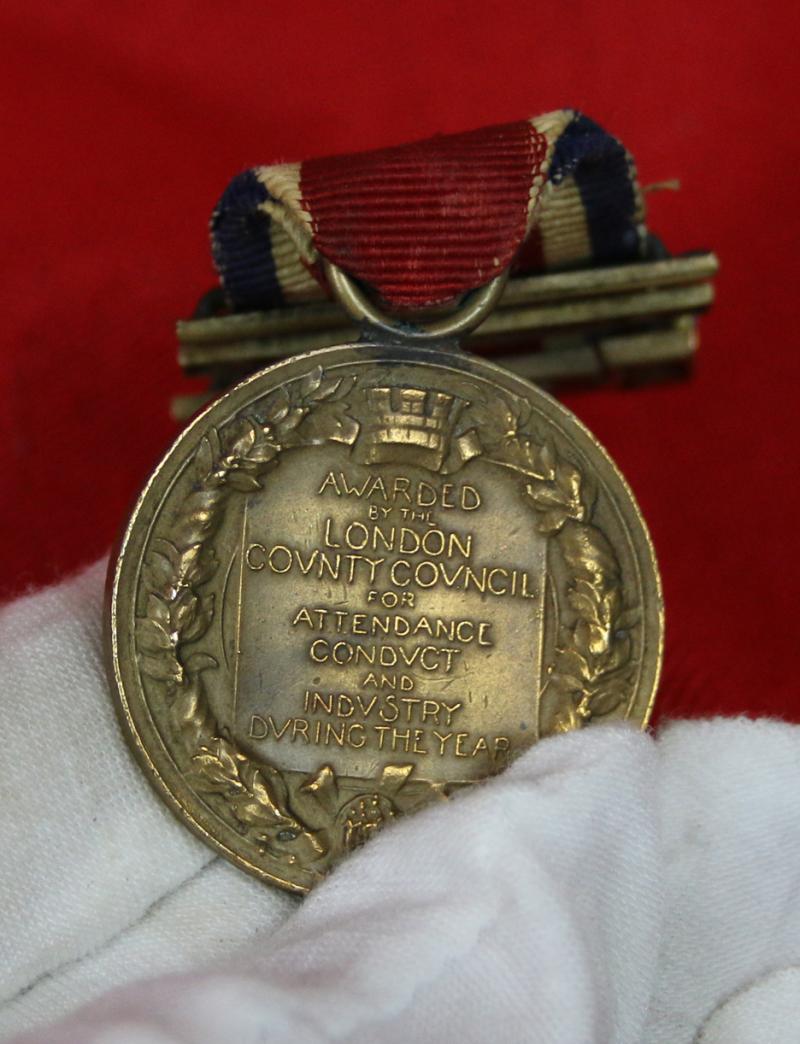
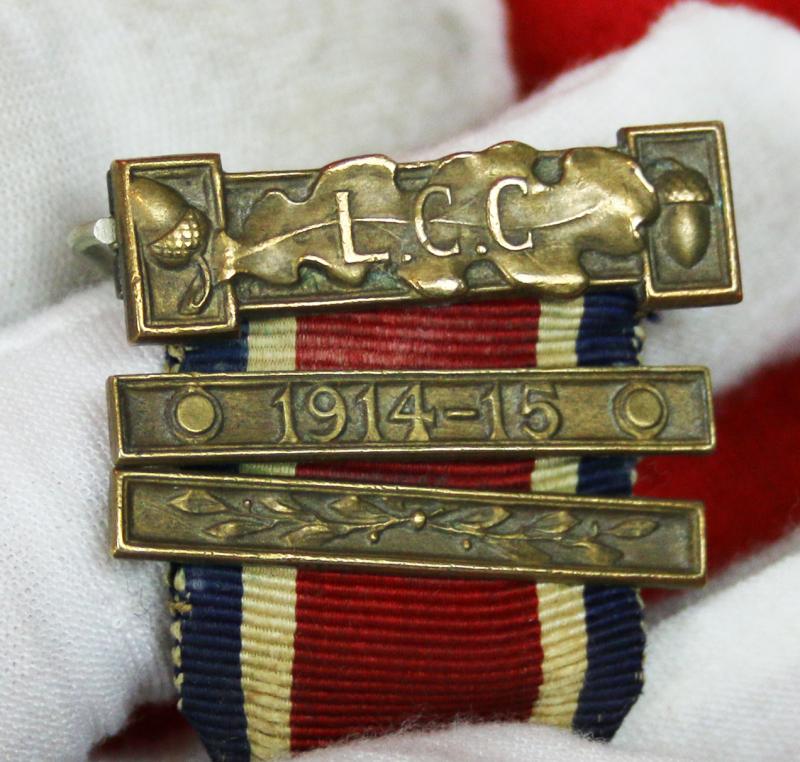
A Group Of WW1 Medals for the Army Veterinary Corps. Of a WW1 Trio, Special Enlistment. & The King's Medal An LCC Medal 1914-15 for Attendance, Conduct and Industry As A London Schoolboy, Straight from School as a Special Enlistment To The Western Front
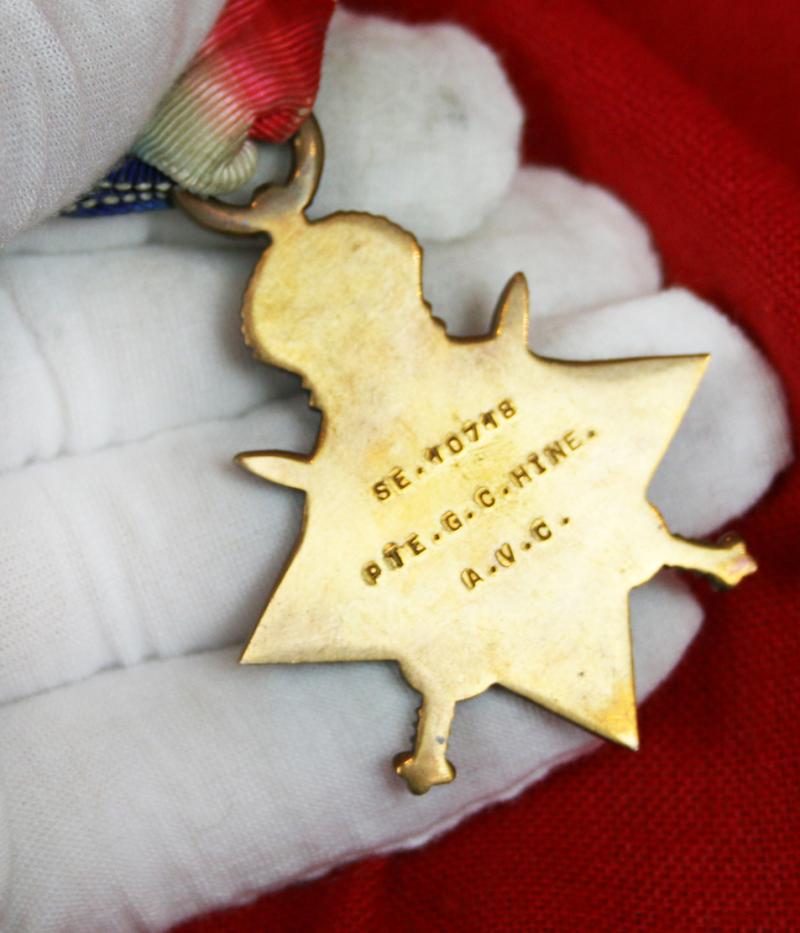
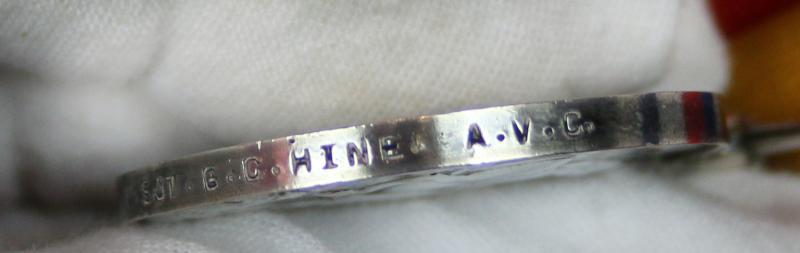
For Acting Staff Sergeant G.C.Hine AVC. Special Enlistment.
During WWI, Staff Sergeants in the Army Veterinary Corps (AVC) played a crucial role in treating and managing sick or wounded horses, mules, and pigeons, with British personnel numbers expanding from 934 to 41,755. They served on the Western Front, in the Middle East, and staffed Mobile Veterinary Sections.
Key Aspects of WWI Veterinary Staff Sergeants:
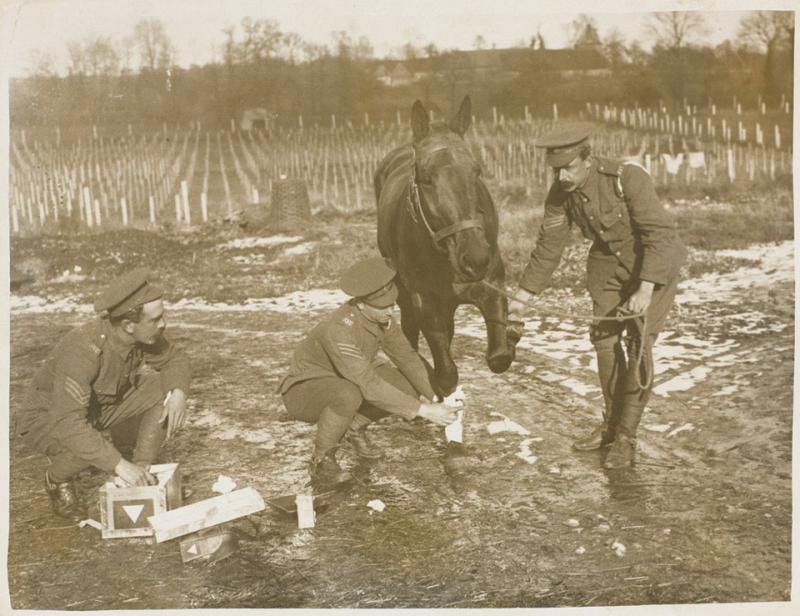
Roles & Duties: Staff Sergeants supervised the care of animals in veterinary hospitals and mobile sections. They were often stationed along lines of communication, treating wounded animals transferred from the front lines.
In British records, Staff Sergeants are listed with service numbers often prefixed by "SE" (Special Enlistment). Examples of individuals include Staff Sergt A W Baird SE/366 and Acting Serjeant Benjamin Aldred SE/18086.
In the U.S. Army, veterinary training for personnel was organized at camps like Fort Riley and Camp Lee.
The British Royal Army Veterinary Corps was vital, with many veterinarians serving as officers and managing vast numbers of animals.
While some served in veterinary hospitals, they were rarely part of the initial divisional mobile veterinary section establishment.
Many AVC personnel, including sergeants are documented in archival photos from the era.
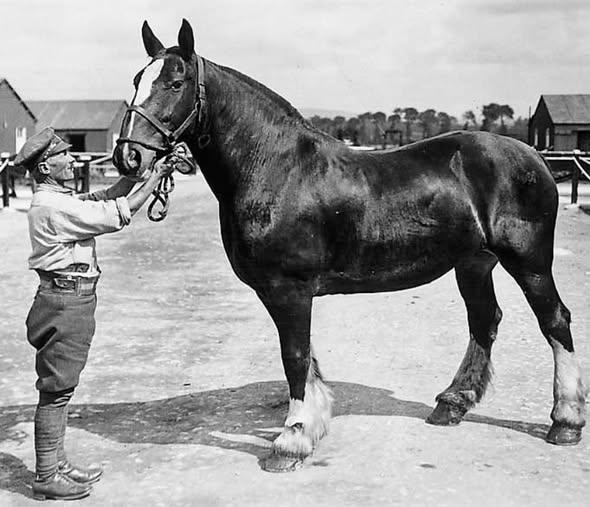
In 1914, in Great Britain, the Army had a mere 25,000 horses at its disposal , but – thanks to a well-prepared Remount Service, the body responsible for buying and training horses – was able to identify and purchase (with varying degrees of agreement on the part of the owners) between 140,000 and 165,000 horses and mules in a matter of days after the declaration of war on Germany. This enabled Britain to enter the War with the necessary numbers of cavalry and traction animals, but was soon insufficient to maintain the supply. Enter the United States and Canada, but also Argentina. Thanks to extensive breeding of – in particular – mules, in states such as Missouri, Britain was able to import, acclimatise and then transfer to the Front some 429,000 horses and 275,000 mules. The Blue Cross estimates that, by 1917, there were 869,931 horses on active service.
While detailed information on the status of the British veterinary contingent is hard to come by, a small group of British benefactors, calling themselves ‘Our Dumb Friends’ League’ (‘dumb’ in the sense of ‘mute’), which had previously been active in the care and protection of working horses in London and other major British cities, entered the scene, establishing ten horse hospitals (and later three dog hospitals) in France.
At the height of the War, more than 80 volunteer veterinarians (and 150 assigned French soldiers) were working for the League under the banner of (the Society of) the ‘Blue Cross’, a term first coined in the Balkan War of 1912 to distinguish its stocks and facilities from those of the Red Cross.
When veterinarians are accompanying these campaigns, following a few kilometres behind the military columns, they have to deal with piercing wounds (from barbed wire, sabres, bayonets, bullets, shrapnel from exploded grenades or shells), lameness and pressure wounds from saddles and gear. The latter, especially in summertime, are often further compounded by respiratory distress due to the inhalation of dust and gunpowder, while winter brings colds due to inadequate shelter against the rain and cold weather. Much lameness is due to penetrating nails, which have come off the wooden wheels of wagons, carts and gun carriages. In addition, chronic malnutrition, lack of quality roughage, lack of water and insufficient rest are widely held responsible for intestinal tract disorders, such as colic
the number for Australia's home grown Walers sent to war was catastrophic for the breed, which is still in existence but with numbers in the hundreds...
Approximately 136,000 Australian horses, known as Walers, went to war, but only one horse, Sandy, returned to Australia.
The 1914-15 London County Council (LCC) "King's Medal" was a bronze award for exemplary school attendance, conduct, and industry. It typically features King George V on the obverse, a "1914-15" bar, and is named on the rim to the student, often coming with a ribbon on County Council (LCC), taking over from the School Board for London in 1904.
Recognising the most deserving schoolchildren for consistent attendance and good behavior.
Design Details: Bronze, 32mm diameter, featuring King George V (often with engraver "F. RANSOM") on the obverse and a, "awarded by the London County Council for attendance conduct and industry" inscription on the reverse.
These were part of a series running from the late 19th century until 1920, with 1919/20 being the final year.
These were prestigious home-front awards issued during the early years of World War I
Code: 26167
120.00 GBP